
ByJohn A
Electric vs Wood Heat for a Traditional Sauna: Which Fits Your Setup?
Electric heaters suit households with existing power access who want predictable, quick heat, generally reaching temperature in 30 to 45 minutes with a simple thermostat control. Wood-burning stoves suit off-grid cabins or owners who value the process of building and tending a fire, at the cost of more hands-on management and a chimney installation. Which setup actually fits depends less on preference in the abstract and more on the specific situation the sauna will live in.
The Suburban Backyard With Easy Electrical Access
For a household with a nearby electrical panel and the ability to run a dedicated 240-volt circuit, electric heat is almost always the simpler and cheaper path. A licensed electrician can typically complete the circuit run in a day, and from that point the heater operates with a thermostat and timer, no fuel storage, no ash cleanup, and no flue to maintain. This is the most common setup for backyard cabins in developed neighborhoods where utility power is already close by.
The Off-Grid Cabin With No Utility Power
A cabin, lake property, or rural lot without reliable grid access is where wood heat genuinely wins by default, since running electrical service to a remote structure can cost far more than the sauna itself. A wood-burning stove needs a properly installed flue with correct clearance from combustible surfaces and often local permitting, but once installed it requires no electrical infrastructure at all, only a stocked supply of dry, seasoned firewood.
The Household That Uses It Several Times a Week
For frequent, near-daily use, electric heat’s consistency becomes a bigger advantage: no fire to build and monitor before each session, no ash to clear afterward, and a heater that reaches the same target temperature every time with minimal variation. Wood stoves can absolutely handle frequent use, but the added fifteen to twenty minutes of fire-building and cleanup adds up meaningfully across dozens of sessions a month in a way that matters less for occasional use.
The Weekend or Seasonal Retreat Used a Few Times a Month
When a sauna gets used a handful of times a month rather than several times a week, the extra effort of a wood fire matters less relative to the total time invested, and many owners in this situation actively prefer the process as part of the experience rather than a chore. A cabin retreat used mainly on weekends is also a common setting where power access is limited enough that wood heat is the more practical choice anyway.
The Owner Who Wants the Ritual of Tending a Fire
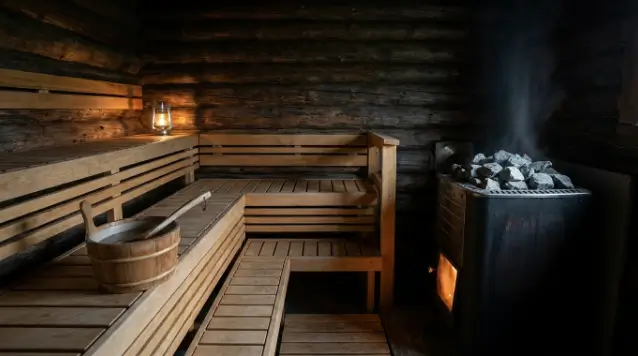
Some owners choose wood heat specifically for the experience, not because electric power is unavailable: splitting kindling, building the fire, and watching the stones heat over live flame is part of what they want from a traditional sauna. This is a legitimate reason on its own, separate from cost or convenience, and it is worth being honest that it is a preference rather than a practical requirement for most backyard settings.
What Does Fuel Cost Look Like Over a Full Year?
An electric heater used several times a week typically adds $15 to $35 a month to a power bill at average residential rates, which works out to roughly $180 to $420 a year in electricity alone. A wood-burning stove used at a similar frequency might burn through half a cord to a full cord of seasoned hardwood annually, which runs anywhere from $150 to $400 depending on local firewood prices and whether the owner sources and splits it themselves for free. The two land in a similar annual range for most households, so fuel cost alone rarely decides the choice; access to power or wood, and how much hands-on time an owner wants to spend, usually matters more.
What Does Day-to-Day Cleanup Actually Involve?
Electric heaters need almost no cleanup beyond the occasional wipe of the element housing and a periodic check for mineral scale if local water is hard, since there is no combustion byproduct inside the cabin. Wood stoves require ash removal after each use or every few sessions, periodic flue and chimney inspection for creosote buildup, and a dry, covered space to store seasoned firewood so it lights reliably. Neither task is difficult, but the wood-stove routine adds a real ten to fifteen minutes per session that an electric setup simply does not require, which is worth being honest about before choosing the wood route purely for the ritual.
See also: Power Plant Maintenance: Best Practices for Improving Reliability and Operational Efficiency
Can a Cabin Be Converted From One Heat Source to the Other Later?
Retrofitting a cabin already wired for electric to add a wood stove later means cutting a hole for a flue after the fact, which is more invasive than planning for it during original construction. Going the other direction, adding an electric heater to a cabin originally built around a wood stove, is usually simpler since it mainly requires running new wiring rather than altering the roof or wall structure. Anyone who might want to switch heat sources down the road is generally better off planning for electric access from the start, even if wood is the initial choice.
The Budget-Conscious First-Time Buyer
For a first sauna on a tight budget, the cheaper path usually depends on what already exists at the property: if a 240-volt circuit is already nearby, electric is typically the lower total cost since it skips flue and chimney installation. If there is no power access and running it would be expensive, a simpler wood stove setup can actually come in cheaper overall despite the chimney cost. First-time buyers comparing electric and wood-fired traditional models side by side can browse SweatDecks traditional saunas to see current heater options and specifications before deciding.
Does Heating Method Change the Health Associations Researchers Report?
The cardiovascular associations reported in long-term cohort research, including studies published in JAMA Internal Medicine and Annals of Medicine, are tied to sauna use and frequency broadly, not to whether the heat source was electric or wood. A stove that reliably reaches and holds a stable high temperature, whichever fuel source powers it, is what supports the kind of consistent use pattern those studies describe.
Frequently Asked Questions
Is an electric or wood-burning stove better for a traditional sauna? Neither is universally better. Electric suits easy power access and quick, consistent heat, while wood suits off-grid cabins or owners who want the ritual of tending a fire.
Does a wood-burning sauna stove need a chimney? Yes, a wood-burning stove needs a properly installed flue with correct clearance from combustible materials, usually requiring more upfront planning and often local permitting.
How much power does an electric traditional sauna heater use? Most home electric heaters range from about 4.5 to 9 kW, generally sized at roughly one kilowatt for every 45 to 50 cubic feet of interior space.
Which heats up faster, electric or wood? Electric heaters are generally more predictable and often faster, typically 30 to 45 minutes, while wood stoves depend more on fire management skill and wood quality.
References
- Association between sauna bathing and fatal cardiovascular and all-cause mortality events, JAMA Internal Medicine, 2015
- Joint associations of sauna bathing and cardiorespiratory fitness on cardiovascular and all-cause mortality risk: a long-term prospective cohort study, Annals of Medicine, 2018
- Short-term effects of Finnish sauna bathing on blood-based markers of cardiovascular function in non-naive sauna users, Heart and Vessels, 2018
By Ava Sinclair
