ByJohn A
Power Plant Maintenance: Best Practices for Improving Reliability and Operational Efficiency
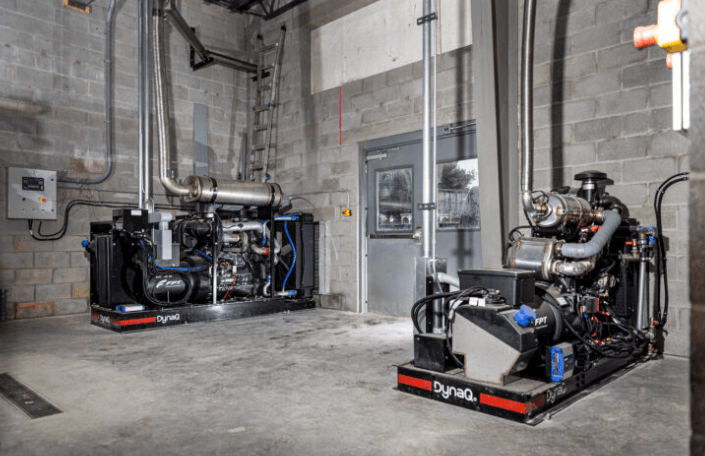
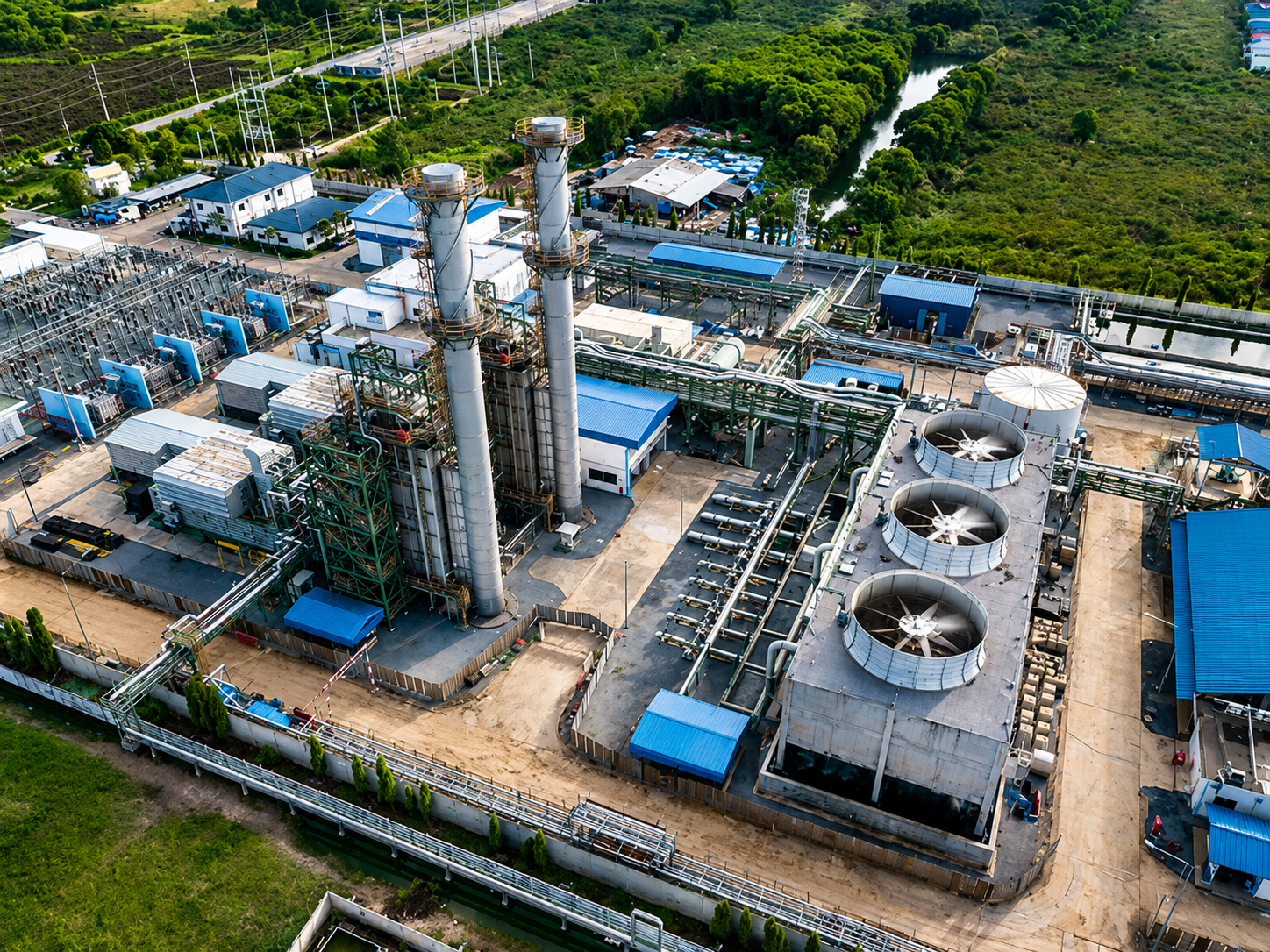
Modern power generation facilities operate in demanding environments where equipment must perform reliably under continuous stress. From turbines and boilers to generators and cooling systems, every component plays a critical role in delivering uninterrupted energy. Without a structured maintenance strategy, even minor issues can develop into costly failures, leading to unplanned downtime, safety risks, and reduced productivity.
An effective power plant maintenance strategy helps operators maximise equipment life, improve plant reliability, and maintain consistent performance. By combining preventive planning, predictive technologies, and skilled personnel, facilities can reduce operational risks while meeting production goals.
Why Maintenance Is Essential in Modern Power Plants
Power plants contain complex mechanical, electrical, and control systems that operate around the clock. Continuous operation naturally causes wear and tear, making routine inspections and servicing essential.
A proactive maintenance programme delivers several benefits:
- Reduces unexpected equipment failures
- Improves plant efficiency
- Extends the lifespan of major assets
- Enhances workplace safety
- Lowers long-term operating costs
- Supports regulatory compliance
Rather than reacting to failures, successful facilities focus on identifying issues before they become expensive repairs.
See also: How Custom Rooflights Can Transform Modern Homes and Commercial Spaces
Types of Maintenance Used in Power Plants
Different maintenance approaches serve different operational needs. Most facilities combine several strategies to create a balanced maintenance programme.
Preventive Maintenance
Preventive maintenance follows a scheduled approach based on operating hours, manufacturer recommendations, or calendar intervals.
Typical preventive tasks include:
- Lubricating rotating equipment
- Replacing worn filters
- Inspecting electrical connections
- Calibrating instruments
- Cleaning cooling systems
- Tightening mechanical components
Regular preventive work significantly reduces the chance of unexpected failures.
Predictive Maintenance
Predictive maintenance uses condition-monitoring technologies to identify equipment problems before failure occurs.
Common monitoring methods include:
- Vibration analysis
- Infrared thermography
- Oil analysis
- Ultrasonic inspection
- Motor current analysis
- Temperature monitoring
This data-driven approach allows maintenance teams to perform repairs only when necessary while avoiding unnecessary downtime.
Corrective Maintenance
Corrective maintenance addresses equipment problems after faults have been identified. When combined with preventive planning, corrective work becomes more targeted and less disruptive.
Reliability-Centred Maintenance
Reliability-centred maintenance evaluates every critical asset individually to determine the most appropriate maintenance strategy based on operational risk and equipment importance.
Critical Equipment That Requires Regular Attention
Every power generation facility contains equipment that directly affects plant performance.
Some of the highest-priority assets include:
Turbines
Gas, steam, or hydro turbines require frequent inspections of bearings, blades, seals, lubrication systems, and vibration levels.
Generators
Electrical generators need routine testing of insulation resistance, cooling systems, windings, and excitation equipment to maintain reliable output.
Boilers
Boilers should be inspected for:
- Corrosion
- Scaling
- Tube damage
- Pressure integrity
- Combustion efficiency
Regular cleaning also improves heat transfer efficiency.
Pumps and Motors
These components operate continuously and should undergo vibration monitoring, alignment checks, lubrication, and seal inspections.
Cooling Systems
Cooling towers, heat exchangers, condensers, and water treatment systems directly influence plant efficiency and equipment life.
Building an Effective Maintenance Strategy
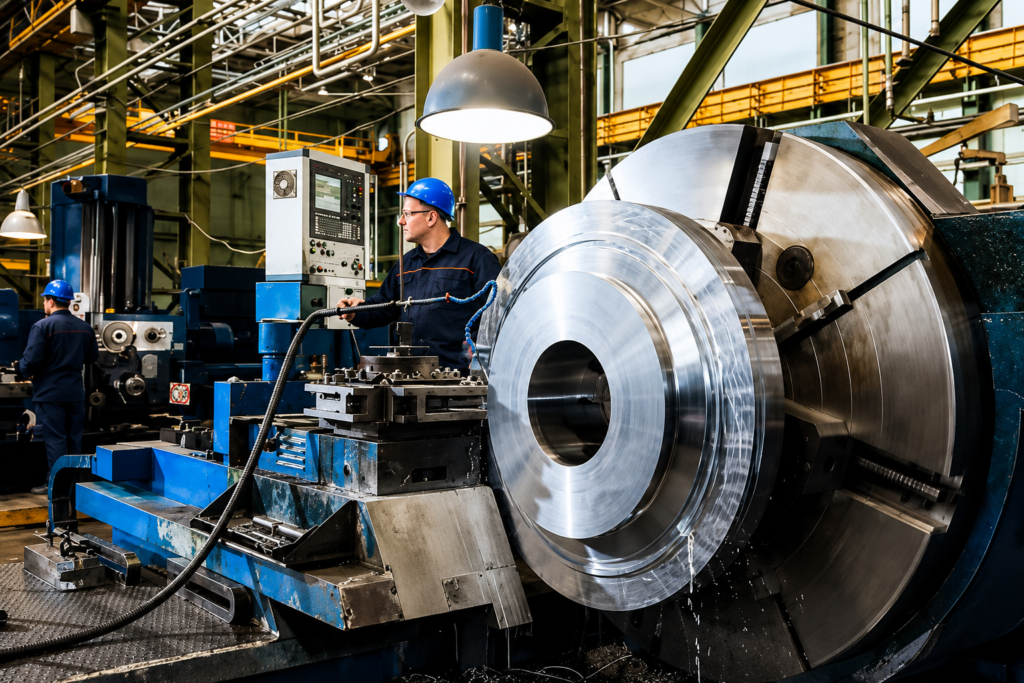
Successful maintenance begins with careful planning rather than reacting to equipment failures.
Key elements include:
Asset Prioritisation
Not every component has the same operational impact. Critical assets should receive more frequent inspections and monitoring.
Maintenance Scheduling
Maintenance windows should minimise production interruptions while ensuring equipment receives timely servicing.
Digital maintenance management software often helps coordinate work orders, inspections, spare parts, and workforce scheduling.
Skilled Workforce
Experienced technicians understand equipment behaviour and can identify subtle warning signs before failures occur.
Many facilities also partner with power plant consultancy specialists when developing maintenance programmes, upgrading ageing infrastructure, or improving plant reliability.
Spare Parts Management
Keeping critical replacement parts readily available prevents lengthy delays during emergency repairs.
Well-organised inventory systems reduce maintenance response times while controlling storage costs.
The Role of Technology in Modern Maintenance
Technology has transformed maintenance from reactive repairs into intelligent asset management.
Several innovations now improve maintenance performance.
Industrial IoT Sensors
Connected sensors continuously monitor equipment conditions, providing real-time performance data.
Operators receive immediate alerts when measurements exceed acceptable limits.
Artificial Intelligence
AI analyses equipment trends and predicts potential failures before they occur.
Maintenance teams can prioritise repairs based on actual equipment condition instead of fixed schedules.
Digital Twins
Digital twin technology creates virtual models of physical equipment, allowing engineers to simulate operating conditions and identify future maintenance needs.
Drones and Robotics
Drones safely inspect tall structures such as chimneys, cooling towers, and transmission systems.
Robotic inspection tools access confined or hazardous areas without exposing workers to unnecessary risks.
Common Maintenance Challenges
Despite careful planning, maintenance teams often encounter operational challenges.
Ageing Equipment
Older facilities may struggle with obsolete components, limited spare parts, and declining reliability.
Modernisation projects help improve efficiency while reducing maintenance frequency.
Budget Constraints
Limited maintenance budgets can encourage organisations to postpone repairs, increasing long-term operating costs.
Investing in preventive maintenance usually proves more cost-effective than repairing catastrophic failures.
Workforce Shortages
Experienced maintenance professionals remain in high demand.
Training programmes and knowledge sharing help maintain operational consistency as experienced employees retire.
Unexpected Equipment Failures
Even well-maintained systems occasionally experience sudden failures.
Emergency response plans help minimise downtime while ensuring safe repairs.
Improving Maintenance Through Better Planning
Maintenance performance depends on more than technical expertise.
Successful organisations also focus on planning and coordination.
Important practices include:
- Maintaining accurate equipment records
- Analysing historical failure trends
- Conducting routine risk assessments
- Updating maintenance procedures regularly
- Performing post-maintenance testing
- Reviewing maintenance performance metrics
Continuous improvement ensures maintenance programmes evolve alongside changing operational requirements.
The Importance of Reliable Field Support
Large facilities often require additional technical resources during outages, shutdowns, or major equipment overhauls.
Many organisations rely on experienced field service solutions that provide specialised technicians, diagnostic equipment, commissioning support, and emergency response capabilities.
External expertise supplements internal maintenance teams while ensuring critical projects remain on schedule.
Similarly, reputable field service companies assist with equipment inspections, troubleshooting, installation support, and specialised repairs that require advanced technical knowledge.
Extending Equipment Life Through Preventive Care
Equipment longevity depends heavily on consistent maintenance practices.
Routine inspections help identify:
- Bearing wear
- Seal degradation
- Lubrication issues
- Electrical insulation damage
- Corrosion
- Excessive vibration
Addressing these issues early prevents secondary damage that often affects multiple systems simultaneously.
Professional plant maintenance services also support facilities during scheduled shutdowns by performing detailed inspections, equipment refurbishment, and performance testing.
Future Trends in Power Plant Maintenance
The maintenance industry continues evolving as digital technologies become more accessible.
Emerging trends include:
- Greater automation
- Cloud-based maintenance management
- Remote equipment diagnostics
- AI-assisted maintenance planning
- Advanced predictive analytics
- Autonomous inspection systems
These innovations allow maintenance teams to make faster decisions while improving equipment reliability and reducing operational costs.
Conclusion
Reliable energy production depends on consistent equipment performance, making power plant maintenance one of the most important aspects of plant operations. Facilities that combine preventive planning, predictive technologies, skilled personnel, and continuous improvement can significantly reduce downtime while extending equipment life.
As the power generation industry continues adopting smarter technologies and data-driven maintenance strategies, organisations that invest in modern maintenance practices will achieve higher reliability, improved efficiency, and stronger long-term operational performance. A well-planned power plant maintenance programme is not simply about repairing equipment—it is a strategic investment that supports safer operations, greater productivity, and sustainable energy generation for years to come.