ByJohn A
PSV Vessel Operations: Cargo Handling, Dynamic Positioning, and Offshore Support
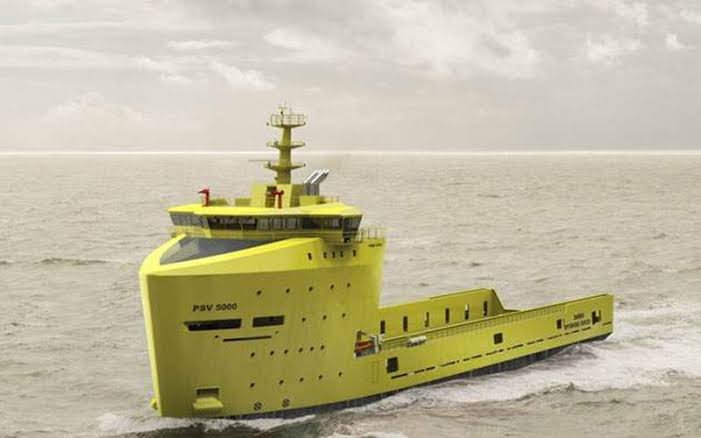
PSV vessel operations are a critical part of offshore logistics. A Platform Supply Vessel must move safely between port and offshore installations while transporting a wide range of cargoes needed for drilling, production, maintenance, and construction. Unlike ordinary cargo shipping, PSV operations involve frequent maneuvering near fixed or floating structures, complex cargo transfer procedures, and constant attention to weather and sea conditions. Efficient operations depend on careful planning, specialized equipment, and experienced crews.
Planning a PSV Vessel Supply Mission
Every PSV vessel voyage begins with detailed planning. Operators must know which offshore installation will be served, what cargo is required, how much fuel and water will be needed, and whether weather conditions are suitable for the operation.
Cargo is often arranged according to delivery priority. Equipment that needs to be unloaded first should be positioned so that platform cranes can access it without unnecessary reshuffling. Weight distribution is also important because poor cargo placement can affect vessel trim and stability.
Deck Cargo Handling Procedures
The open deck of a PSV vessel is used for containers, tools, pipes, machinery, baskets, and other offshore equipment. Before departure, all deck cargo must be secured to withstand vessel motion during transit. Lashings, chains, deck fittings, and approved securing systems are used to prevent movement.
When the vessel reaches the offshore installation, cargo is normally transferred using a crane from the platform or rig. The PSV crew coordinates with offshore personnel to ensure loads are lifted safely. Clear communication is essential because vessel movement, crane motion, and changing sea conditions can create hazards.
Transporting Liquid and Dry Bulk Cargo
A PSV vessel can also carry bulk cargo below deck. Liquid products may include fuel, fresh water, brine, drilling mud, and chemicals. Dry bulk systems may handle cement, barite, or similar materials used in offshore drilling.
These products are transferred through dedicated pumping or pneumatic systems. Before transfer begins, crews verify tank contents, hose connections, valve positions, and delivery instructions. This helps prevent mixing incompatible products and reduces the risk of pollution.
The Role of Dynamic Positioning
Dynamic positioning is one of the most important systems used during PSV vessel operations. When a vessel is working near an offshore structure, it must maintain a safe and controlled position. Anchoring may not be practical because of subsea pipelines, equipment, water depth, or limited space.
A DP system uses GPS or other position references, wind sensors, gyros, motion sensors, and propulsion equipment to keep the vessel on station. The system automatically adjusts thrusters and propellers as environmental forces change. The bridge team continuously monitors DP performance and must be prepared to respond if alarms or equipment failures occur.
Weather and Sea Conditions
Weather can determine whether a PSV vessel operation proceeds or is postponed. Strong winds, high waves, poor visibility, and severe currents can make cargo transfer unsafe. Operators monitor forecasts and actual offshore conditions before approaching a platform.
Even after operations begin, the master may decide to stop cargo work and move away if conditions deteriorate. This conservative approach is essential because safety takes priority over delivery schedules.
Offshore Standby and Emergency Support
Although the main role of a PSV vessel is supply, some vessels may also provide standby or emergency assistance depending on their equipment and certification. They may support offshore construction projects, transport specialized tools, assist with remotely operated vehicle operations, or carry additional safety equipment.
The flexibility of PSVs makes them valuable across many offshore sectors, including oil and gas, offshore wind, subsea construction, and marine engineering.
Crew Coordination and Safety Culture
Successful PSV vessel operations depend heavily on crew experience and communication. The bridge team, deck crew, engineers, and cargo operators must coordinate their activities carefully. Offshore work involves multiple simultaneous risks, so clear procedures and strong safety culture are essential.
Regular drills prepare crews for fire, flooding, man-overboard situations, loss of propulsion, and DP failures. Personal protective equipment, toolbox talks, permit systems, and risk assessments are also common parts of daily operations.
Read Also: The Benefits of Technology in Remote Healthcare Services
Improving Operational Efficiency
Modern technology is helping PSV operators improve efficiency. Digital fuel monitoring, route optimization, predictive maintenance, and integrated cargo-management systems can reduce delays and operating costs. Hybrid propulsion can also reduce fuel use during standby or low-load conditions.
Efficient scheduling is equally important. A well-planned PSV vessel can serve multiple offshore installations on one voyage, reducing unnecessary sailing and improving fleet utilization.
Conclusion
PSV vessel operations combine marine navigation, cargo logistics, dynamic positioning, and offshore safety in one demanding working environment. These vessels must transport varied cargoes, maintain precise control near platforms, and respond quickly to changing weather conditions. Their specialized capabilities make them essential to offshore industries. With careful planning, trained crews, and modern technology, a PSV vessel can support offshore operations safely, efficiently, and reliably.